Our Unique ABA Program
Together, We Grow
Brainbox Center for Child Development was the first center in Kuwait to pioneer an educational approach to Applied Behavior Analysis (ABA). While many centers focused primarily on early intervention for autism and developmental delays, Brainbox expanded this approach to support children within real school environments and everyday learning settings.
What sets us apart is our focus on school success. We recognize that for many children, accessing and thriving in a classroom requires more than academic support alone. It involves building the right foundations across multiple areas of development.
Our programs focus on developing school readiness skills, including behavior, social interaction, communication, play, listening, and academics. By supporting all of these areas together, we ensure each child is equipped with the skills they need to participate, engage, and succeed in their learning environment.
Who Can Benefit from Our ABA Program?

Children with Learning Difficulties
Children with learning difficulties who require personalized and step-by-step teaching methods that matches how they learn best.

Children Facing difficulties in the CLASSROOM
We support children in developing attention, following instructions, participation, and overall classroom readiness to help them succeed in the learning environment.

Children with Emotional and Behavioral Needs
We provide targeted support for emotional regulation and behavioral challenges, helping children develop the skills needed to succeed in a school environment.
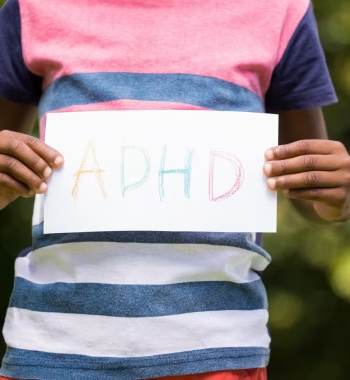
Children with Attention-Deficit Hyperactivity Disorder (ADHD)
ABA techniques can assist in improving focus, reducing impulsivity, and enhancing organizational skills.

Children with Autism Spectrum Disorder (ASD)
ABA is widely recognized as the most effective, evidence based approach for helping children with ASD build communication, social, and everyday life skills.
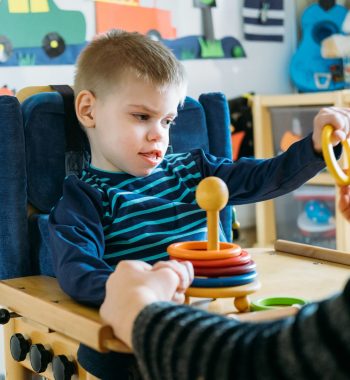
Children with Developmental Delays
Those experiencing delays in communication, social, academic and play skills, or cognitive development can benefit from targeted interventions for school success.
Benefits of an ABA Program
Our ABA program supports children in building independence across the key areas needed for school success, including academic, behavioral, social, communication, and play skills. Through individualized, structured teaching, we help children develop the confidence and skills to participate, engage, and succeed in their learning environment.
By using practical, real life learning and consistent support, we empower children to become more independent, capable, and confident both in school and in everyday situations.
Social skills are taught in a structured and meaningful way to help children succeed in school environments. We focus on building essential skills such as turn taking, sharing, initiating and responding to peers, understanding social cues, and participating in group activities.
These skills are broken down into small, teachable steps and practiced through guided activities, role play, and real-life situations. Children receive consistent support and feedback to help them learn how to interact appropriately and confidently with others.
By strengthening social skills, children are better able to build friendships, participate in the classroom, and feel more comfortable and successful in their school environment.
Our ABA program helps reduce challenging behaviors in the classroom by first understanding why the behavior is happening. We use structured assessments to identify triggers and teach children more appropriate ways to communicate their needs and cope with different situations.
Through consistent, individualized support, we focus on building key skills such as following instructions, waiting, transitioning between activities, and managing frustration. Children are taught what to do instead of the challenging behavior, using clear guidance and positive reinforcement.
By developing these skills, children are better able to stay engaged, follow routines, and participate successfully in the classroom, leading to a more positive and productive learning experience.
Our ABA program emphasizes personalized learning by recognizing that each child is unique, with distinct strengths, challenges, and learning styles. We begin with comprehensive assessments to understand individual needs, which allows us to create customized intervention plans tailored specifically to each child’s goals. Our skilled therapists utilize a variety of evidence-based strategies and engaging activities that resonate with the child’s interests, ensuring that learning is both effective and enjoyable. By incorporating technology and interactive tools, we provide a dynamic learning environment that adapts to the child’s progress in real-time. Furthermore, we actively involve families in the learning process, offering guidance and resources to support skill development at home. This individualized and collaborative approach not only maximizes engagement and motivation but also fosters meaningful progress, empowering children to reach their full potential in a supportive and nurturing atmosphere.
What Parents Usually Ask Us
ABA works by applying principles of behavior science to encourage positive behaviors and reduce challenging ones. The process begins with a thorough assessment to understand your child’s unique strengths and needs. Based on this assessment, individualized goals are set, and specific interventions are designed, which may include techniques such as positive reinforcement, modeling, and structured teaching. Parents can expect regular progress monitoring, data collection, and adjustments to the program as needed to ensure effectiveness. Over time, you will likely see improvements in communication, social skills, and overall behavior.
The duration of ABA therapy varies depending on each child’s individual needs, goals, and progress. Some children may require intensive support for several hours a week, while others may benefit from less frequent sessions. Typically, a comprehensive ABA program can last from several months to a few years. Regular evaluations will help determine the appropriate length of therapy and whether adjustments are needed as your child develops new skills and reaches their goals.
Supporting your child’s progress at home is crucial for reinforcing the skills learned in therapy. You can do this by implementing consistent routines and using the same language and strategies your therapist employs; our specialized trainers will give you all the details and instructions. Encourage positive behaviors by providing praise and rewards when your child demonstrates desired skills.
Parent and caregiver training is provided by our Clinical Directors and ABA therapy team, with ongoing support to ensure strategies are consistently implemented. Through regular communication with your ABA Therapy Team, you will be guided and supported in reinforcing strategies at home, ensuring a cohesive approach to your child’s development.
About us
We work hand in hand with families to support each child’s unique needs. Through personalized programs and close collaboration with schools, we help children develop the skills they need to thrive with confidence at home, in school and in everyday life
Quick Links
Reach us
Brainbox Center For Child Development Jassem Tower, 22 Al-Soor St, Kuwait City
+965 9418 0806
contact@brainboxccd.com
